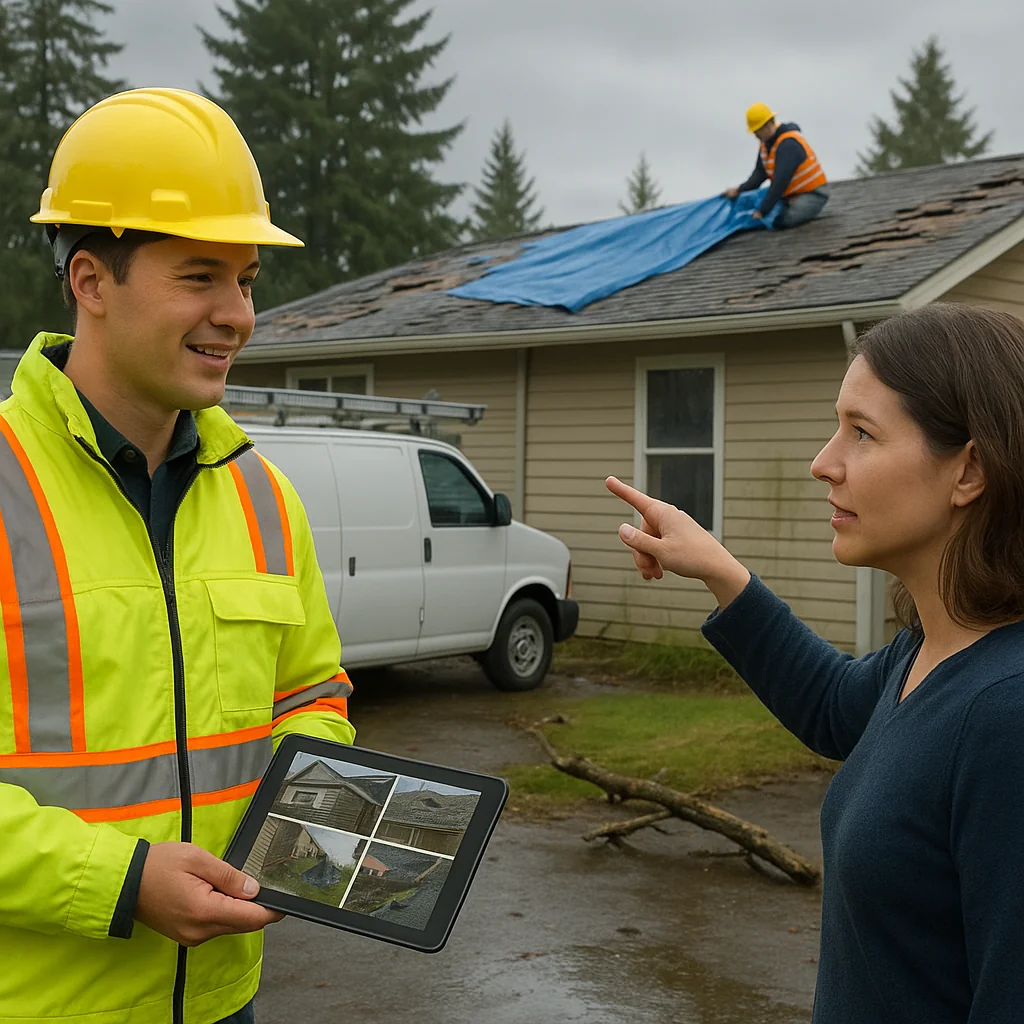
To choose the right storm damage restoration company in Olympia, prioritize crews with IICRC certification, proven response times under two hours for water extraction, and familiarity with our saturated Puget Sound soils that turn minor leaks into foundation threats. Skip outfits promising ‘one-day fixes’—real cleanup here often takes 3-5 days depending on wind-driven rain penetration. Local experience matters because Olympia’s older homes from the 70s and 80s trap moisture differently than newer builds.
Storms hit Olympia hard every fall and winter, with gusts over 50 mph dumping inches of rain in hours. Picking the wrong restoration team can turn a repairable mess into mold-infested headaches costing thousands extra. I’ve pulled soggy insulation from crawlspaces in NW Olympia homes where amateurs delayed pros, watching water wicking up walls unseen.
Common Causes of Storm Damage in Olympia Homes
Olympia’s microclimate—mild temps, constant drizzle, and occasional atmospheric rivers—breeds specific issues. Wind shears off cedar shakes common on our roofs, driving water under shingles into attics. Saturated clay soils around the Capitol region swell, cracking foundations and letting groundwater seep basements during November gales.
Tree roots from mature madronas destabilize slopes in NE Olympia, toppling branches through windows. Poorly maintained gutters, clogged with fir needles, overflow and erode siding. Inside, HVAC systems suck in humid air, condensing on cold ducts—I’ve seen ducts dripping like faucets after just one front.
Top Local Triggers
- Roof breaches: 60-70 mph winds lift shingles; water pools in valleys.
- Siding gaps: Vinyl warps in freeze-thaw cycles, admitting driving rain.
- Basement flooding: High water table rises 2-3 feet post-storm.
Warning Signs That Demand Immediate Attention
Don’t wait for visible puddles. Early cues include musty odors from hidden saturation or walls feeling spongy above baseboards. In Olympia, check for bubbling paint on south-facing exteriors—rain shadows create dry rot pockets.
Use a moisture meter if you have one; readings over 16% in wood framing signal trouble. Warped hardwood floors creak underfoot, and ceiling stains spread fast in our 100% humidity days. I’ve arrived at SW Olympia jobs where homeowners dismissed ‘minor drips,’ only to find joists rotted 20% through.
| Severity Level | Signs | Action Timeline |
|---|---|---|
| Low | Damp carpet edges, minor gutter overflow | 24 hours |
| Medium | Wall discoloration, buckling drywall | Under 12 hours |
| High | Standing water, electrical flickering | Immediate |
What to Do Right Now After a Storm Hits
First, ensure safety: cut power at the breaker if water nears outlets—Olympia’s old wiring sparks easy in damp conditions. Tarp roof holes with 10-mil poly sheeting, secured with 2×4 battens against wind. Mop up standing water with a wet-dry vac, but stop at carpet edges; pulling it yourself spreads contaminants.
- Document damage with photos, room by room, for insurance.
- Air out by opening windows if humidity’s below 70%—rare here.
- Avoid fans on wet walls; they wick moisture upward.
DIY works for surface wiping, but penetrating water needs pros with dehumidifiers pulling 100 pints daily.
How Professionals Handle Storm Damage Cleanup
A certified crew starts with truck-mount extractors sucking 500 gallons per hour from slabs. We cut out drywall 18 inches above visible stains, bag it wet to kill mold spores. Air movers at 3000 CFM circulate, dropping humidity from 90% to 40% in 48 hours.
Moisture mapping with infrared cameras spots hidden pockets; thermal reads over 80°F in winter walls mean active leaks. Antimicrobial treatments follow, not bleach—it’s useless on porous surfaces. In Olympia, we check crawlspaces for 4-inch standing water common after king tides.
For emergency storm damage cleanup, expect containment with plastic sheeting to isolate work zones, preventing cross-contamination.
Olympia’s Unique Storm Challenges and Company Selection
Our marine climate means mold colonies in 24-48 hours, faster than drier areas. Homes in Central Olympia near Budd Inlet face salt-laden winds corroding metals quicker. Older ranch styles have shallow eaves, funneling rain to foundations on expansive soils that heave 1-2 inches seasonally.
Choose companies with Olympia-specific gear: submersible pumps for sump failures, and crews trained on WDOs (wood-destroying organisms) thriving in damp fir framing. Ask for references from last winter’s events—vague answers mean out-of-towners. Verify 24/7 availability; delays past golden 48-hour window double repair costs.
Prevention Strategies Tailored to Olympia
Trim overhanging branches annually—madronas drop limbs in 40 mph gusts. Install leaf-guard gutters; clean twice yearly before October rains. Grade soil 6 inches away from foundations to combat our 50-inch average rainfall.
Upgrade to Class A fire-rated asphalt composites over shakes for wind resistance. Seal crawlspace vents in winter, adding vapor barriers. These cut call volume by 30% in my experience on repeat clients.
When It’s Time to Call a Pro in Olympia
Call when water’s over carpet backing, electricals are compromised, or you smell earthiness signaling black mold precursors. For Storm Damage Cleanup in Olympia, teams like Olympia Storm Cleanup Pros bring the local know-how. Reach out at (360) 299-5978 if your post-storm assessment overwhelms—better safe than tearing out half your home later.
Leave a Reply